The Pensacola Surface Care & Cleaning Blog
Latest Articles & Maintenance Guides
Tips to Help Your Carpet Last Longer
March 16, 2022
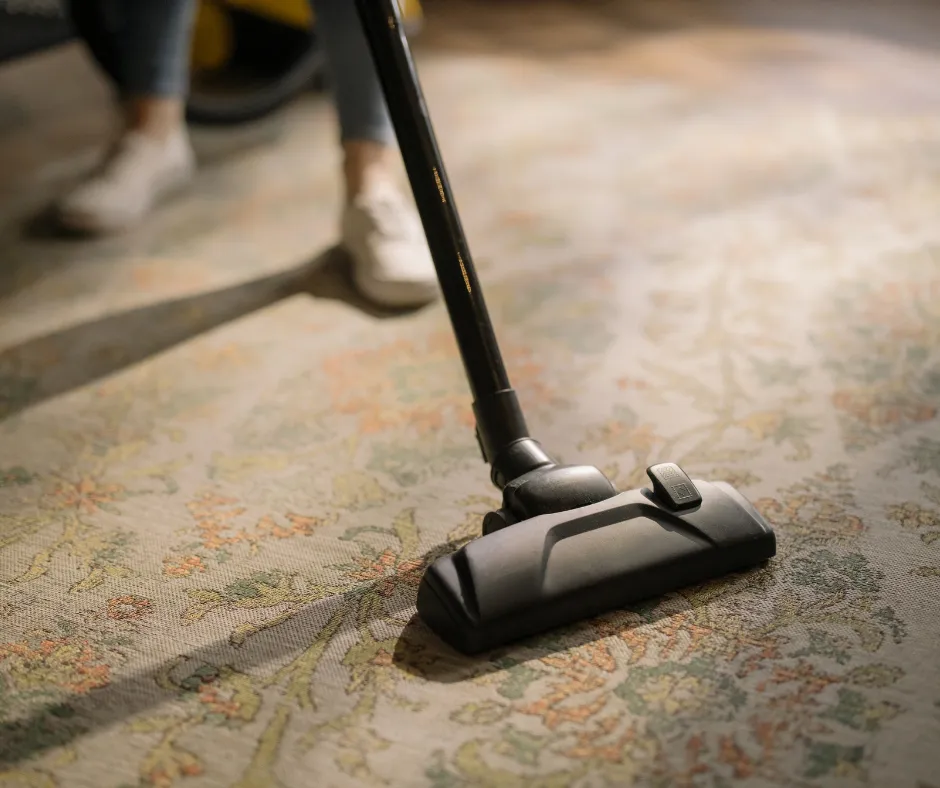
Carpet comes in a vast array of colors, types, cuts, finishes, etc, and can be the perfect warming touch to any room or area. But alas, it can easily become dirty, worn, lose its dye stability, delaminated, or separated from the backing of the carpet, etc making the once perfect touch for the room an absolute eyesore. Replacing carpet can come at a great expense as well. So, how, as a consumer, can you make the investment in your carpet last as long as possible? Throughout this article, I intend to show you exactly what to do to maintain your beloved carpets and get the most out of every penny invested in them.
The most important thing to do when maintaining carpets is to vacuum thoroughly and often. Often a minimum of 3 times weekly is recommended by the Carpet and Rug Institute for healthy carpets. Dirt, sand, and dry soil particulate matter are collectively the number 1 reason for premature wear, especially when combined with pivotal distortion from foot traffic. If you took a grain of sand and looked at it through a microscope it would look like a semi-cuboidal shape with razor-sharp edges. Once that sand can work itself down in between fibers of the carpet pile it can cause very severe damage to a carpet.
In comparison, if you looked at a single tuft of carpet under the microscope it would have the appearance of a rope. This appearance is created by the factory and permanently “set” by the Heat Set and Twist portion of the carpet construction. That little rope can easily become frayed when next to razor-sharp cubed-shaped objects like sand which creates the appearance of premature wear. The other part of this proverbial equation is pivotal distortion. Pivotal distortion is created in any area of the floor where it is impossible to walk in a completely straight line. While walking, simultaneously turn your body weight on the ball or the sole of your foot and turn wherever your weight is centered. This slightly slower and grinding type of motion will create a wear spot wherever it is located, again especially if dry soil particulate matter is present in the area of pivotal distortion further exacerbating the problem.
Next, keep in mind that not everything off the shelf at your local grocery store is the best product to use in your own home. In fact, most carpet spotting agents on the shelf will have a warning label on the back advising you to test it out in an inconspicuous area of your home and the cleaning agent may remove the dye stability of your carpet leaving you with a bleached out spot where you once had an unwanted stain. It is always best to start simple, keep it low and slow because whatever you put on the stain to remove it will need to be neutralized when you are done cleaning the spot to prevent rapid re-soiling from a chemical residue left behind.
For most carpet maintenance, it is recommended to have your carpets professionally cleaned once every 12-24 months. Also, pay close attention to your carpet warranty for new carpets as there are several fun ways that the warranty can easily be voided. It does vary from one manufacturer to the next but most new carpet warranties can be voided for reasons such as but not limited to: water damage of any kind, improper maintenance of the carpet (including a professional cleaner that does not vacuum before performing a hot water extraction), improper installation, improper pad for the carpet, etc. As you can see some of these reasons to void a warranty may well be completely out of the control of the homeowner or the tenant.
Lastly, for the overall life of the carpet, the use of fiber protectors is heavily recommended. Fiber protectors come in a pretty wide array of options and price ranges. Standard fluorochemical fiber protectors have been on the market for quite some time and do work fairly well at preventing permanent staining as well as promoting soil suspension. These chemicals are water or solvent (oil) based and cover the exterior of the fiber protecting the fabric and allowing liquid spills to run off the material before it can sink into the fiber to damage it. One of the latest developments in the field of chemical fiber protectors is the advent of using hydrostatic elements with solvent-based carriers added to them. The addition of the hydrostatic element allows the chemical to break the surface tension of the fiber itself to allow the chemical to carry much further than original fluorochemicals deep into the fiber allowing the fiber more protection than standard fiber protectors because the protector is now in the fiber and not just on it.
All of these factors can independently affect the overall lifespan of a carpet. All of the negative situations can easily combine to create a perfect storm that ends with the premature destruction of your carpets. But when properly kept, properly cleaned, and properly protected a good quality carpet can easily last 20 years in a home. For perspective, the average life span of a carpet in a rental property is 7 years. So, to get nearly triple that amount of time by properly maintaining your carpets and adding carpet protectors to the mix is a deal in comparison to the cost of replacement.
Tim Nixon. IICRC Master Textile Cleaning Technician, Journeyman Water Damage Restoration Technician.
Suede! Maybe…
March 14, 2022
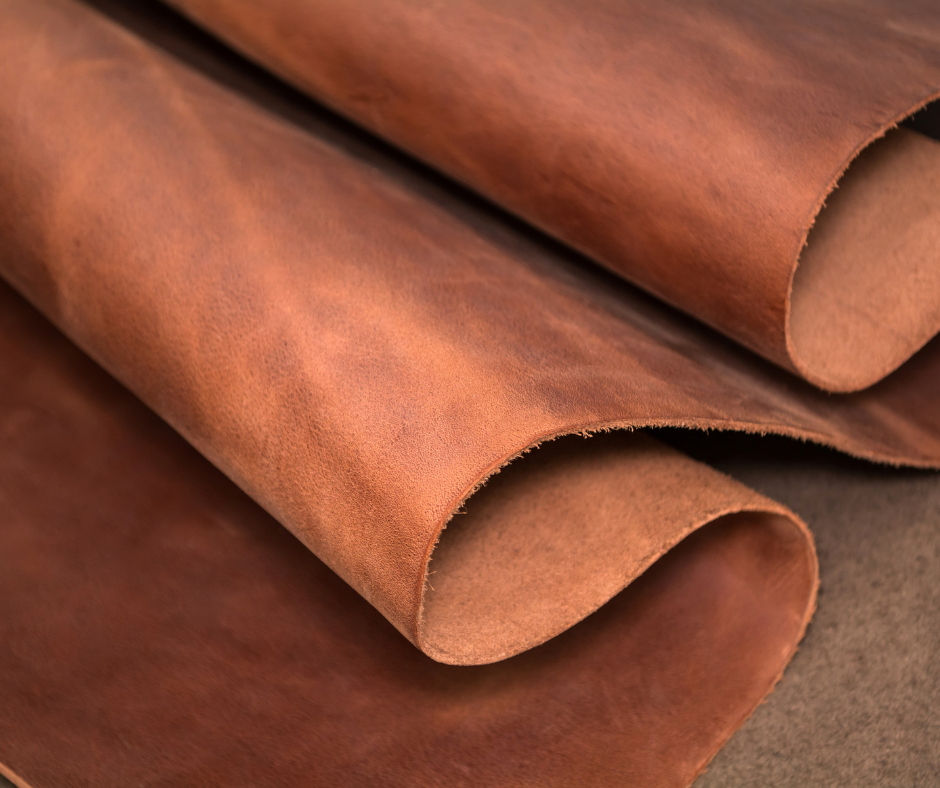
One of the most common types of fabrics that we see in the cleaning industry is “suede”. In modern times the term suede has become synonymous with any fabric that has a suede-like feel to the touch. But not every one of the fabrics that is set to a suede finish or feel is real suede. Genuine suede is actually a type of leather known as nubuck leather. This leather is then put through the “split grain” process which reveals a rough texture. After the “split grain” process is done the sections of leather are then sanded down to the desired finish, creating the feel of suede. Yet, as we all know, just because something bears the look and the feel, and the characteristics of a particular thing doesn’t necessarily mean it is what it appears to be. Sometimes when someone refers to owning a piece of suede furniture said piece of furniture is really microfiber. Microfiber is made identical to suede in every fashion except for the fact that it is a synthetic fiber and not natural leather. This also means there are different cleaning measures that need to be taken to clean each separate piece of furniture.
In order to clean natural suede or nubuck leather, you will need a gallon of distilled water to mix your chemicals with, product-specific nubuck or natural suede cleaner, a horsehair brush for agitation during cleaning, a stiff copper brush for purposes after the cleaning, and some white terry cloth towels. You begin by mixing the nubuck cleaner as directed into the distilled water. Once mixed take the horsehair brush and or a kitchen whisk and whip the cleaner and water solution together to create a nice layer of foam. You then use a dry towel and scoop the foam off of the top of the water line and wipe down the piece of upholstery being cleaned, immediately after wiping a section down with the foam follow it by wiping it down again with a dry towel to wipe up any suspended soil. Then let the piece dry and if desired results are not achieved restart the process. For real suede and nubuck leather, we do not recommend going outside these procedures because of the sensitivity to permanent staining that the leather it is made from could have. There are other options available to professionals, but they are also best utilized in a controlled environment such as a business’s shop.
The single most commonly mistaken fiber for suede is microfiber. Microfiber or microsuede is a material made of a blend of nylon, polyester, and polyamide. The material is then split chemically with either a hot dye bath or a bleach wash with other alkaline chemicals. Once split, dried, and cured the material should then have the soft feel of suede with the even softer feel of synthetic fibers that are less than 1/16th the width of a human hair and individually weigh less than 1 denier. Cleaning processes at home for these fabrics are highly dependent on the exact makeup of the microfiber. If it is a standard polyester and nylon blend, then it should be chemically resistant up to about 11Ph. Any higher than this and it will lose the fluorochemicals and acid dye resistors placed there by the factory, as well as potentially lose its dye stability and could bleach out in areas treated with chemicals over an 11ph. Start by vacuuming all or as much dry soil particulate matter as possible. After this, we recommend a thorough hand scrubbing of the entire piece with fast-drying upholstery shampoo. After being wiped down with shampoo follow it with a dry hand towel to remove any suspended soil that was released by the shampoo, then let the piece dry. If the desired results aren’t reached but the improvement has been made, then continue repeating the process until the desired result is achieved.
Once the desired cleaning level is reached you then make use of the copper brush to set the pile of the fiber so that it runs in a waterfall type pattern. In other words, all knaps or grain to the microfiber will need to be brushed in a direction as if water were rolling off of it in a downward motion. Once the pile is set the job is done. For troublesome spots on upholstery rubbing, alcohol and a white towel are your best friends in a home. Most household spills and stains are water-soluble, the vast majority of spills and stains that aren’t water-soluble are solvent-soluble making rubbing alcohol one of the most effective specialty spotters in almost every home in America. Simply apply some alcohol to a white towel and dab the alcohol wet towel on top of the troublesome stains, after a few dabs check the towel to see if there is any color transfer from the stain to the towel. If so, the stain will likely come out. If not, you will need a professional to have a chance at removing it.
Tile Cleaning Services For Your Residential And Commercial Properties
March 6, 2018
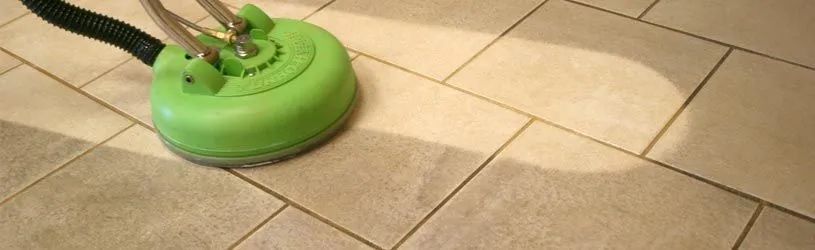
As the owner of a piece of land, you are responsible for the upkeep for each of the buildings standing on it. Whether you are looking at a single family home or a multi-unit complex for commercial purposes, it falls on your shoulders to ensure that the interiors are clean and in good working order. One aspect of this is using tile cleaning services on a regular basis to revive older tiles and keep newer ones looking great for a long time!
If you don’t take good care of the tile, it can begin to build up unattractive grime. Mildew, mold and hard water can all discolor and damage the tile and grout. In addition to being an eyesore, poorly maintained tiles can become a breeding ground for microscopic organisms that are unhealthy for you and others.
One mistake that many home and business owners make is to think that a newly constructed building doesn’t need to have regular deep cleaning services. The reality is that all tile needs to be cleaned on a regular basis. The first service might require extensive time if the area has not been properly cleaned and sanitized in a while. Once the entire area has been appropriately serviced, regular visits will help to ensure that the tiles look great and are safe for others to be around.
The frequency of these maintenance visits can vary drastically and are based on how much usage the area has. For instance, the laundry room for a single couple who prefer indoor activities will need far less service than the bathroom tiles at the public swimming pool down the street. However, before you can start planning for the maintenance, you first need to find a company that handles these types of service calls.
In many communities, you can find companies that perform carpet, tile and another type of indoor surface cleaning services. Upholstery, draperies and the like might also be on their list of services. These companies have a staff of experts who can make a big difference in the comfort and presentation of your properties. Whether you have a building that hasn’t been used in a while or a brand new one, you need to be sure that you have a team of experts on your side to keep your place looking great!
Look at reviews for a few different companies that advertise for tile cleaning services in your city. Make sure that you check out recent ones that specifically mention the tile cleaning service. This will help you to eliminate disreputable companies from your consideration.
Check out the websites of those that seem well-liked and contact those that stand up to closer scrutiny. When you find one that has all of the proper licenses and affiliations, along with competitive prices and good reviews, you are ready to close the deal. Just make sure that you talk to representatives from at least two or three companies before making the plunge. Then you can rest assured you have made the best choice for your tile cleaning needs.